Showing posts with label Owen Pallett. Show all posts

Sunday, November 22, 2020

2020 Top 40 pt 1: 10 of the lower 20


10 records, alphabetically, from the lower 20 of my 2020 Top 40. That make sense? 
 
Quin Kirchner – The Shadows and the Light (Astral Spirits). This Chicago drummer wants to blow your mind right out of the gate, with the solo percussion piece "Shadow Intro," but it quickly becomes clear that this record is anything but an ego trip, ranging from full band freakouts to more melodic material, to songs featuring just an unaccompanied horn section, to the delicate kalimba-and-upright-bass "Pathways," to the dreamy, interstellar Sun Ra-ish journeys heard on the latter half of the record.   


Mourning (a) BLKStar – The Cycle (Don Giovanni). Is there a secular gospel movement afoot? Last year Damon Locks and the Black Monument Ensemble put out Where Future Unfolds, featuring a chorus of voices singing modern civil rights songs over jazz instrumentation and electronics, and it was fantastic. This year Cleveland's Mourning (a) BLKStar showed up with this stunner, featuring three lead singers with clear gospel skills, a robust horn section, and grooves harkening back to Massive Attack's Blue Lines, with organ at the forefront. "Mist :: Missed" opens with the lines, "I've been dealing with a whole lot of shit / Got my mind racing over it / Folks don't care what they say / It's like they're playing different games." Amen.


Owen Pallett – Island (Secret City / Domino). There's always more happening on an Owen Pallett record than first meets the eye. At first glance, I thought this was his most stripped-down record, with most songs based primarily on acoustic guitar or piano. Which is ridiculous: part of Pallett's immense talent as an arranger is the delicate detail that you're not even aware is happening. (See also: his soundtrack to the documentary Spaceship Earth, released this year.) Island is much more of an interior mood piece than any of his previous records, and it's a mood that landed exactly at the right moment (for listeners, anyway; it sure put a wrench in his touring plans). 


Also: video of the year?


Prince Nifty – We're Not in Kansas Anymore (Bandcamp exclusive). "A soundtrack for doing nothing." Well, that's 2020 in a nutshell, ain't it? Matt Smith is a long-time collaborator of Owen Pallett's, dating back to Les Mouches, and had a hand in Lido Pimienta's excellent Miss Colombia. Here, in his solo alias, he opens with "Over the Rainbow," on solo acoustic guitar and sounding like he's being beamed in from Mars, and from there spends most of his time futzing with synths in what sounds like '70s sci-fi soundtracks. There are two layered vocal tracks that could accompany a Guy Maddin film, while there's also a dramatic Angelo Badalamenti cover and a beautiful acoustic original called "Imitation of Life" (def not a cover of R.E.M.'s worst single). As a whole, it doesn't make a lot of sense. But what does these days? 


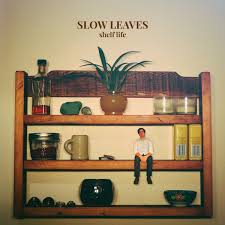
Slow Leaves – Shelf Life (Birthday Cake). I wrote this earlier: It’s not like critics are stumbling over themselves in a hunt for the new Lightfoot in 2020. But hey, FWIW, Slow Leaves is likely the new Lightfoot, or at least the most worthy contender since Doug Paisley dropped the 2011 classic Constant Companion. Davidson sings with a gentle lilt and affecting tremolo, his breezy folk rock designed to be played on crackly vinyl or around a campfire. Davidson sounds like a middle-aged dad, which he is, and this is an ideal midlife rainy day record when accompanied by coffee and/or scotch. It’s not new or dark or sexy; it’s just life.


Julian Taylor – The Ridge (independent). Taylor has spent more than 20 years knocking around Toronto's music scene in two original bands (one of them eponymous), but this solo acoustic record has proven to be his breakout. Small wonder why. These are gorgeous, folk-country songs with rich production and Taylor's velvety voice. The full-band arrangements are gentle and warm; this whole record feels like a warm blanket in front of a campfire on a chilly night. It's comfort food, but it's fucking delicious. 


Throat Funeral – OU812212 (Bandcamp exclusive). Why, yes, all things considered, 2020 is the perfect year to debut a new noise project called Throat Funeral that sounds like a chest being eviscerated. Riff-rocker / heavy metallist / prolific podcaster Danko Jones has had this record in the can for a while, and decided to unleash it on the world now. There are guest spots from Tanya Tagaq (naturally), first-wave grunge singer Tad Doyle, and Swedish avant-garde saxophonist Jorgen Munkeby, but all other sounds here were generated in the deepest depths of Jones's chest and lungs. It's paradoxically aggressive and ambient, somehow both soothing and terrifying. It's 2020 in an audio nutshell.


Etuk Ubong – Africa Today (Night Dreamer). This Lagos trumpeter arrives with accolades from Seun Kuti, and it's not hard to hear the connection to that family's legacy. Recorded live to disc in the Netherlands, this is a document of a band on fire; every single player is fantastic and stands out in the mix, as impossible as that seems (though the keyboardist and percussionists are essential). In a year of horrible headlines from Nigeria, this was some welcome news.


Wolf Parade – Thin Mind (Sub Pop). I've said this often in the past three years: Wolf Parade Mk 2 is infinitely superior than this band's first kick at the can. Sure, Apologies to the Queen Mary, which turned 15 this year, is an untouchable classic, but 2017's Cry Cry Cry and now this display a band hitting their stride all these years later: as songwriters, performers and singers. Underestimate them at your peril. I wrote about this here and here. Oh, and for the Globe and Mail here.


Donovan Woods – Without People (Meant Well). Are you feeling lonely in a long-term relationship, possibly exacerbated by a pandemic lockdown? Then hey, have I got the bummer country-pop album for you! Ontario's deep, dark Woods is a master of economy who keeps getting better: in his melodies, in his lyrics, and here he paints some devastatingly vivid pictures on tracks like "Seeing Other People" and "Clean Slate." This record is full of earworms, and the more they get in your head, the more he's here to remind you that "lonely people wrote every song you ever loved."


Tuesday, October 13, 2020

2020 Polaris Music Prize shortlist Day 1: Witch Prophet, U.S. Girls

In its early days, Polaris was often slagged as an indie rock prize, which is not entirely unfair. More accurately, it often featured records that were unknown to mainstream listeners and unheralded by gatekeepers. Sure, it’s been won by the likes of Arcade Fire, Feist and Buffy Sainte-Marie, but most shortlisters still draw blank stares from lay people. This year in particular is a real head-scratcher for the uninitiated, with only pop star Jessie Reyez considered a “name,” despite the presence of three previous winners (Caribou, Kaytranada, Lido Pimienta). It’s also a head-scratcher, as it usually is, for people who wonder if all Canadian music comes only from Montreal and Toronto. 

It’s also a head-scratcher for me, as a long-time juror, as none of the five albums on my initial ballot even made the long list—a first for me. Of the long list, I thought there were a lot of good records on there, some promising debuts, and only a few stinkers; I certainly didn’t have trouble filling my second ballot. But I don’t love anything on this year’s shortlist; the records I like the most are either by artists whose earlier records I prefer, or by very promising new artists I think have yet to make a masterpiece. There are only two records I actively dislike, and one I just find disappointing. I don’t really feel I have a horse in this race. So all bets are off.

My annual five-part look at the shortlist examines two records a day, plus two personal picks from the qualifying period, and this year--as the prize gets older and still skews young—I’m including one veteran artist each day whose latest work risks getting lost in the shuffle.

This year we’re going in reverse alphabetical order, because, hey, everything else about 2020 is upside down.

The winner this year will be announced on Monday, October 19 in a televised ceremony featuring 10 commissioned short films, airing on CBC Gem, YouTube and social media.


Day 1

Witch Prophet – DNA Activation (Heart Lake)


The album: “Bow down to queen,” demands Ayo Leilani on her second album as Witch Prophet. As we should: DNA Activation is a completely captivating, entrancing journey through trippy soul with an Eritrean Erykah Badu bent. Jazzy vibes, deep grooves and synesthesiac textures abound, creating a sonic splendour in which it’s easy to get lost. Leilani’s vocals aren’t a focus as much as they are a centring guide, a soothing presence asking, “Where do we go from here, when the whole world is falling?” Karen Ng’s saxophone plays a key role on three of the 10 tracks, indebted to Ethio jazz. “Makda” comes off like a trippier Dan the Automator. Everything about DNA Activation is a huge step up from her promising debut; its only real drawback is that it’s incredibly brief: 10 songs in 24 minutes. As an album prize, Polaris allowed EPs to be eligible in recent years, which makes a lot of sense given the way a lot of music is released these days. Still, though DNA Activation is nothing if not consistent in both mood and quality, I’d love to hear something longer and more diverse from Witch Prophet. In the meantime, I’m just excited she made the shortlist. This was on my ballot.


The chances: Depends on how much psylocibin is consumed during the process of jury deliberation. But I’d say fair to good.

Bandcamp here.


U.S. Girls – Heavy Light (Royal Mountain / 4AD)

The album: This was recorded by humans in a room together at the same time. Crazy, right? Meg Remy and her circle are politically progressive but have decidedly old-school beliefs when it comes to musical chops: you should be able to play, you should be able to play well with other people, and no amount of multitracking can substitute for the sound of amazing singers surrounding a microphone in real time. As a grumpy old man entering his “jazz years” when I first heard Heavy Light, this concept was very appealing to me. As a lonely man in the middle of a pandemic, this appealed even more, for obvious reasons.

Curmudgeonly philosophy aside, this record succeeds for several reasons, on several levels. It aims to be a What’s Going On of this generation: lyrics that address personal and systemic pain, enveloped in melodies, grooves and arrangements that seek to soothe rather than confront. “You gotta have boots, if you wanna lift those bootstraps,” goes the opening track, addressing historic economic inequality in the guise of a sweet soul song. “Overtime” is a first-person song about a widow discovering that her overworked husband drank their savings away. “Born to Lose” could be a Sarah Kendzior or Barbara Ehrenreich book about American decline in a torch-y song with a choral chorus, set to ’50s lounge exotica. A Latin excursion on “And Yet It Moves / Y Se Mueve” works surprisingly well—or, not so surprising at all, considering the calibre of musicians involved. The entire record is lush and expansive, and yet always in subtle ways; this is not a record that wants to show off, it wants to draw you in.

Remy has a lot of top-shelf help here: Basia Bulat, Arcade Fire’s Tim Kingsbury, partner Slim Twig, the band Ice Cream, future superstar James Baley, the E Street Band’s Jake Clemons, the underrated Geordie Gordon and Michael Rault, engineer Howard Bilerman, and vocal arranger Kitty Uranowski. It’d be hard to make a bad record with those people in the room. But with Remy at the helm, the result is an instant classic.


The chances: Good. This is my personal favourite on the shortlist, even though I enjoy it slightly less than 2018’s In a Poem Unlimited, which was my hands-down pick that year (though I also love Jeremy Dutcher, to whom they lost, so I’m not complaining)—in fact, that is one of my favourite records of the last 10 years. Meg Remy is in her prime; hopefully the first wave of many in a long career, but there’s no denying the winning streak she’s on right now. In the past I would have said that her inclusivity—drawing many other talented artists into her sphere and letting them shine—would help her chances at Polaris, but I’ve been proven wrong on that in the past (A Tribe Called Red). I’m also skeptical that a musically conventional pop record based on ’70s rock has a winning chance in 2020, but who knows? It worked for Buffy Sainte-Marie (one of only four times in Polaris history my personal favourite was the winner). Whether she wins or not, Remy has now had her last three albums shortlisted, and delivered two of the most memorable performances in Polaris history, no small feats on their own.


The could’ve, should’ve beens:

Slow Leaves - Shelf Life (Birthday Cake)

The album: I’m a middle-aged white dad who doesn’t listen to a lot of middle-aged white dad music (or so my crippling sense of self-importance has led me to believe). So if you’re going to play acoustic guitar in a roots-rock or folkie vein, something’s gotta jump out of the mix. In the case of Winnipeg’s Grant Davidson, a.k.a. Slow Leaves, it starts with his voice: a gorgeous quiver that sounds like it’s from a long-lost ’60s folk classic. Then there’s his guitar playing, with a lot more delicate finger-picking than your usual strummer. Finally, the songs are all solid as a rock: a bit Jim Cuddy, a lot of early M. Ward, a little L.Cohen (musically) and a whole lotta Lightfoot.


Why it didn’t even longlist: The obvious answer would be “Winnipeg” (which is what people from Winnipeg will be quick to tell you). But this year Winnipeg actually did pretty well, with Begonia, William Prince and Super Duty Tough Work all making the longlist. The other answer would be: middle-aged, sensitive guy you’ve never heard of before, singing rootsy music that sounds like Gordon Lightfoot—that doesn’t fly at a lot of story meetings. Just ask Doug Paisley. 

Bandcamp here


Obuxum – Re-Birth (Urbnet)

The album: Psychedelic beat science from Somali-Canadian producer Muxubo Mohamed, who doesn’t fit any easy profile: there are elements of hip-hop, techno, jazz, soul, Madlib fuckery and Flying Lotus-level interstellar travel, but this sounds like a unique voice at the beginning of her journey. I’m also curious to hear more from featured vocalist Yourhomienaomii, who’s sadly only featured on one track (“Don’t Blame Them”).

Why it didn’t shortlist: Frankly, I’m amazed that it made the long list, considering its low profile. But more power to her. I’m just glad she’s no longer a stranger to the larger world of Canadian music, and that getting on the long list opens a lot of doors.

Her Bandcamp is here.


Veterans MIA in 2020:

Owen Pallett – Island (Secret City / Domino). 

This album had a surprise drop a few days before the ballot deadline, so it’s a small miracle that it squeaked on to the long list. But Pallett, who won the first-ever Polaris in 2006 under the name Final Fantasy and has been shortlisted twice more, is the type of artist who can be out of the public eye for six years and still command attention, and I would not have been surprised if he vaulted onto the shortlist. Island is much more focused on acoustic guitar than anything he’s done since his first band, Les Mouches (who reunited this year, pre-pandemic, for a one-off show). It’s an album of quiet intimacy; the orchestrations rarely take centre stage, and when they do they are often glacial and majestic, evolving drones that open up the sonic space. It’s a meditative record of pain and redemption, of self-loathing and forgiveness: “You don’t need to die to be forgiven.” Pallett’s previous records usually had a couple of pop songs; this does not. It’s a record easily lost to short attention spans and shortlists. It’s Owen Pallett, a man always worth your time.

Bandcamp here.

Tell me this isn't the greatest pandemic video made in the first three months of lockdown:


Tomorrow: Jessie Reyez, Pantayo and more

Wednesday, June 03, 2020

My personal Polaris 2020 long list part 4

Day four!
Recap: I cast my ballot for the Polaris Prize this week. Jurors only get five slots. Almost 200 albums were suggested by fellow jury members. A long list of 40 will be published next week. As always, there’s no shortage of excellent Canadian music. But this year there’s no one album—or even three—that I feel so obviously tower above the rest. Which makes the winnowing even more difficult.


I’m not going to tell you what’s on my ballot, but these are the 40 records I considered (10 in each post). Most of these have been discussed by the Polaris jury at some point, but this is a very personal list that no one should read into deeply. Many of these will likely not make the long list, and many not mentioned here most definitely will.


Final caveat: I’m a 48yo anglo white dad who lives in Toronto with all the obvious blind spots that entails, so prepare yourself with as many grains of salt you feel are required.

Part 4/4: 

Owen Pallett – Island: This long-delayed album came out two weeks before the Polaris deadline, and yet I wouldn’t at all be surprised to see it become one of the most-discussed albums this year. And not just because the first single (with its excellent accompanying video) contains this lyric: "Do not be scared / Surely some disaster will descend and equalize us / a crisis / Will unify the godless and the fearless and the righteous.” Though as lushly orchestrated as much of his work, these songs are centred around acoustic guitar, marking a new(ish) direction for Pallett: very little evidence of his violin-virtuoso past, few of the electronics that shaped 2014’s In Conflict, the orchestration never draws attention to itself, the music rich with subtleties and no concessions at all to pop audiences (usually Pallett would throw a bone or two). This sounds like Pallett’s most musically personal album; it also features the loveliest vocals he’s ever put to tape. For day-one fans, it’s as much a mature, one-man version of Les Mouches as it is a Final Fantasy record. Bandcamp link here.

Pantayo – s/t: Now here’s something you haven’t heard before: a group of Filipinas integrating traditional percussion (kulintang) with R&B and pop that lies somewhere between ESG, Massive Attack and Solange. Yes, the novelty is part of the appeal, and that will help this land on the long list and go possibly much further this Polaris season. But, like Tagaq or Jeremy Dutcher’s work, this is far from mere novelty: it’s an incredibly strong record: the grooves, the vocals, the songs, the sonic textures, the production by Alaska B (Yamantaka // Sonic Titan). Pantayo didn’t start out like this; when I saw them perform at a Long Winter event several years ago, it was definitely more on the traditional side. Now, “V V V (They Lie)” and “Desire” are total radio summer jams, uptempo and down, respectively. There’s even, it seems, some ’80s new wave in the mix here, but that could just the Scarborough boy in me being brought back to a time when I would have first heard traditional Filipino music at high school talent shows 30 years ago and now I’m weirdly conflating a bunch of my own memories in what is apparently a record review. Anyway, this is going to be the record that will make the list and have industry veterans wondering, “Where the hell did this come from?” Bandcamp link here.

Lido Pimienta – Miss Colombia: Is it okay to say now that I didn’t like Pimienta’s 2017 Polaris winner La Papessa? That was a milestone win for many reasons (first allophone winner, entirely indie release), but I still heard a nascent artist who had yet to fully bloom. The conversation around the win—and the way Pimienta dealt with an onslaught of hateful criticism—was more worthy than the album itself, in this random white guy’s opinion, FWIW (not much). The Toronto artist took a lot of time and care following it up, and now we can talk about the music again. Everything has stepped up, starting with Pimienta’s own vocals: they’re stronger, express more dynamics and inflection, and generally more emotionally resonant. That’s true of the electronics as well; she’s said part of her challenge here was to make the technology sound beautiful, and she succeeded. The brass arrangements throughout are also a nice touch. Prince Nifty, a.k.a. Owen Pallett collaborator Matt Smith, co-produces here (check out his lovely new solo release), and guests include Colombian palenque group Sexteto Tabala (the collab here will sound familiar to any fans of Caribbean-Colombian legend Toto La Momposina) and South American superstar Li Saumet of electro-cumbia-pop band Bomba Estereo. One could argue that Pimienta won the Polaris prematurely, but if she hadn’t, then this superior record would likely not be getting an international release; its ambition might not even have been possible. Bandcamp link here.

Slow Leaves – Shelf Life: It’s not like critics are stumbling over themselves in a hunt for the new Lightfoot in 2020. But hey, FWIW, Slow Leaves is likely the new Lightfoot, or at least the most worthy contender since Doug Paisley dropped the 2011 classic Constant Companion. Davidson sings with a gentle lilt and affecting tremolo, his breezy folk rock designed to be played on crackly vinyl or around a campfire. Davidson sounds like a middle-aged dad, which he is, and this is an ideal midlife rainy day record when accompanied by coffee and/or scotch. It’s not new or dark or sexy; it’s just life. Hard to make that sound exciting in a record review. But hey, if the likes of Leif Vollebekk can crack the shortlist, surely Slow Leaves can. Bandcamp link here.

Rae Spoon – Mental Health: This artist has had quite a rollercoaster two years: they continue to run the best truly indie label in Canada (Coax Records) and they released two of the best albums of their career (including this one). But shortly after cancelling a tour due to the pandemic the non-binary artist announced they were diagnosed with cancer before even turning 40. Rae Spoon’s music has always been about resilience, which means in 2020 an album like Mental Health strikes particularly potent chords. As a former folk country artist who now makes what could be called electro-tinged indie rock, Spoon is first and foremost a classic pop songwriter: their songs are full of earworms, no matter the arrangements underneath. Lyrically, this record taps into the anxiety age with precision, which makes it essential listening. Bandcamp link here.

Storry – CH III: The Come Up: The back story behind this record is fascinating, terrifying, tragic, and a whole other tale unto itself (read Nick Krewen’s profile here). But the short on Storry is that this debut album (don’t let the CH III title fool you) is about her past life as a sex worker after an opera career went astray. She turns her classically trained voice to gutsy and jazzy R&B with some ace players behind her. The slick veneer might be suited to upscale jazz clubs, but the narratives pull no punches. Even if there wasn’t a back-Storry here (sorry), the woman’s voice is enough of a draw on its own. Ain’t no AutoTune here, she belongs on a stage. Won’t even need a microphone.

US Girls – Heavy Light: It’s weird to think of Meg Remy as a Polaris veteran, but this is likely to be her third appearance on a shortlist and another likely winner—I thought she’d take it for 2018’s In a Poem Unlimited, my favourite record that year. Heavy Light picks up where that record left off, and, inspired by her 2018 Polaris performance, features a strong vocal presence from backing singers including arranger Kritty Uranowksi, James Baley (remember that name), and Basia Bulat. E Street saxophonist Jake Clemons also shows up, as do members of Arcade Fire and Ice Cream. The album was recorded largely live in Montreal by Howard Bilerman, and the electric energy is evident. Hard to go wrong with that many all-stars on board, and Remy rises to every challenge: she’s one of the most astute and fascinating lyricists working today, set to beautiful melodies steeped in the history of pop music. Part of this album’s success is due to Remy’s generous and collaborative spirit: she’s not precious about empowering her collaborators, working with co-writers (including Bulat), or even revisiting earlier material from her lo-fi solo days (“Overtime” and “Red Ford Radio” are highlights here). Everything about this exudes empathy and community, which is exactly what we need right now.  

Whoop-Szo – Warrior Down: I’m a lightweight when it comes to heavy music, which makes Whoop-Szo all the more surprising. This is stoner sludgy grunge that packs a wallop, even more so when Adam Sturgeon sings about his family’s experience in residential schools or a cousin being shot by cops in Saskatchewan (The chorus “Warrior down in a Saskatchewan town” says so much with six words, a Neil Young-esque simplicity all political songwriters should study). But this isn’t just a Sabbathian sonic anvil; this band started out as a considerably more experimental project, and there are more delicate moments here and prog diversions and deliciously dirty synth interludes and piano instrumentals. I don’t know who London, Ontario engineer Kyle Ashbourne is, but he’s heavy as fuck when he wants to be, with a Blurtonian touch that serves this material extremely well. Watch out for Whoop-Szo: at least one more record like this and they could turn into the most important rock band in Canada. Bandcamp link here.

Witch Prophet – DNA Activation: I certainly didn’t hear any other Canadian record like this in the last year: Habesha hip-hop beats with an Afrofuturist bent and jazzy saxophone (Karen Ng) throughout. Fans of Erykah Badu’s work with Georgia Anne Muldrow will find a lot to love here. This is hypnotic, healing music for humid days, during days when these lyrics strike deep: “Where do we go from here / When the whole world is falling / Through darkness / And we cannot see the light.” The woman known as Witch Prophet brings that light. Bandcamp link here.

Wolf Parade – Thin Mind: All great bands who feel like they’re hitting a wall should take a seven-year break. It did wonders for Wolf Parade. Both 2017’s Cry Cry Cry and now Thin Mind take everything that was ever intriguing about this group of musicians—as players and songwriters—and amplify all their strengths. Rare is the rock band that actually gets better with age, but this new chapter of Wolf Parade is the prime of their career, and Pacific Northwest star producer John Goodmanson captures it perfectly. Other than the obvious strengths of frontmen Dan Boeckner and Spencer Krug, the MVP here is drummer Arlen Thompson, who gives the material a real swing and swagger. Fuck nostalgia, forge the future. Bandcamp link here.


I’ll feel extremely lucky if even half of those 40 records make the longlist.

These next ones are not my bag, but here are 15 artists whose albums are likely to be longlisted, so give them a listen if you haven't already: 

Marie-Pierre Arthur
Backxwash
Daniel Caesar
Dvsn 
Grimes
Flore Laurentienne
Men I Trust
Nap Eyes
Nehiyawak
William Prince
Jessie Reyez
Andy Shauf
Super Duty Tough Work 
Wares
The Weeknd

The official long list will be announced on Monday June 15.
Jurors will then have a chance to submit their shortlist ballot; the shortlist will be announced July 15, and the winner on Sept. 21.

Happy listening! Buy the music you love! 
 

Friday, February 07, 2020

Owen Pallet on Les Mouches reunion

ˆThis week, Wavelength Music celebrates its anniversary with a weekend festival. They do this every year. This year, however, being the 20th anniversary—along with current pillars (Haviah Mighty, Kaia Kater), some Montreal imports (Yves Jarvis, Little Scream, Lou Phelps) and plenty of largely unknown local talent that has always been their focus—they’ve pulled in some ringers from their earliest years. 

Electro duo LAL are performing their 2000 album Corners. Sandro Perri, a consistent presence in Wavelength circles from the beginning, put out two of his most acclaimed records in the last two years. Hidden Cameras, a band who arguably helped launched the so-called Torontopia scene of the early 2000s, makes an extremely rare local appearance; bandleader Joel Gibb decamped to Berlin years ago.

The most interesting Wavelength act of the weekend, however, might be Les Mouches. This band only lasted a year, 2003-04, before Owen Pallett became better known to the world as Final Fantasy and as a contributor to Arcade Fire’s Funeral. Drummer Rob Gordon also played with From Fiction, who recorded an album with Steve Albini and were signed to Last Gang. Guitarist Matt Smith went on to perform as Prince Nifty. Together, they were a combustible unit whose songs shifted between delicate beauty and jarring explosions, with lyrics filled with longing, sexual confusion and crude jokes. 

There was nothing remotely commercial about Les Mouches, even though they covered a Carpenters song on 2003’s Blood Orgy EP. It’s often uncomfortable listening. But it’s undeniably unique. And it left enough of an impression that the sole full-length, 2004’s You’re Worth More to Me Than 1,000 Christians, was reissued on vinyl in 2015. 

I talked to Owen Pallett this week about many things, for another project; this excerpt is just about Les Mouches, then and now.


What was the genesis of Les Mouches?

After I graduated [from University of Toronto's music program], I wanted to record some songs I had written. I was involved with Hidden Cameras, I was dating Gentleman Reg, and I was friends with a lot of Three Gut people, so I decided to record with Andy Magoffin in London [who made albums for all those people]. I wrote brass arrangements and recorded what I called The Polite Album. Nobody heard it. I think I burned five copies, but [Blocks Recording Club’s] Steve Kado somehow had one. He came into the Free Times Café where I was working, and said, ‘Dude, your album is awesome!’ He was so excited. I was playing some solo shows but it wasn’t doing anything for me. I wanted to start a band. I had seen Matt Smith play a set at the Free Times, doing improv, with a guy name Dane who has since passed away, and Owen Marchildon, who would later be in From Fiction with Rob Gordon. I had known Rob in second year. I don’t remember the early rehearsals that well. [Matt and Rob and I] had long discussions about how we wanted the music to be focused on epiphanies. There would be these moments where it would all make sense. We were all really into Xiu Xiu, especially me, and it was changing the way I wrote lyrics.

You had said you wanted Les Mouches to sound like U.S. Maple meets the Carpenters.

Exactly. That was basically it. We were trying to have that free, Storm and Stress aesthetic, but have it married to—not necessarily conventional songwriting, but really pretty songs. Our first show as a trio was April 21, 2003. It was in Guelph. Our second show was in Toronto with Lungbutter. We started playing a bunch. I didn’t have a concept of what our fan base was, but by the time 1,000 Christians came out we filled the Music Gallery until it was beyond packed. We asked everyone to wear white clothing—and they all did! Matt Smith said, ‘Thank you all for wearing white. Congratulations! You’re all racist!’ (laughs)

And Bell Orchestre opened?

Yes, and Wooly Leaves.

How did you know Bell Orchestre? Had you even met Arcade Fire by that point?

I had met Arcade Fire through Jim Guthrie. [Jim’s band opened for them at the El Mocambo in January 2003.] I remember Regine saying, ‘Bell Orchestre is my favourite band on the planet.’ I didn’t know Sarah [Neufeld] very well at all. Richie [Parry] I kind of knew. But I mostly was just friends with Win and Regine, and not close friends at that point.

Richie wasn’t even really part of the band yet. He wasn’t until spring 03.

It was Bell Orchestre’s first show in Toronto. Then we put out Blood Orgy around Xmas 2003. Those songs were done in the same session as the songs for 1,000 Christians; there was one other session where I did the songs with brass on them. There’s one Matt Smith song we left out because it just didn’t fit on either release, which is too bad because it’s an amazing song. Then we wanted to tour, but I didn’t know anything about touring or how it worked.

Did you tour much with the Cameras, or just around southern Ontario?

I toured Europe with the Cameras in 2003, after Smell of Our Own came out. I didn’t know how DIY touring worked. With the Cameras, we had a van, a tour manager, hotels, it was all set up. But I wanted to book shows for Les Mouches. I was also playing with Liz Hysen in Picastro and she was always talking about how she booked her own tours. Reg was always talking about how he booked his own tours. So we booked five dates. But we never played anywhere other than Guelph, Toronto and Montreal. We opened a few Montreal shows for Arcade Fire in the spring of 04, in the lead-up to Funeral’s release, at the Corona Theatre. But our last show was [in September 04] at a Pop Montreal showcase for Blocks, at Casa del Popolo. That was with Hank, maybe Barcelona Pavilion. The band had a second recording session for a pile of new songs we’d written. Not enough for an album, but I thought we could make things work with four songs that were in our set. We thought we could do more writing in the studio, but it went really bad.

Do you think the creative partnership had just run its course?

No, not at all. We just went into the studio with four or five songs, and afterwards we were just feeling an ennui. We did it at Tantramar Farm [outside Guelph], where they used to have Track and Field. While I was up there, I was wearing this fanny pack that had my birth certificate and my passport and everything. This was a week before we were supposed to go on tour. I lost the fanny pack, and I had no ID and no way of getting anywhere, so we scuttled the tour. I was pretty depressed about it. This was also the summer I had no money. I was also playing more Final Fantasy shows, which had started that spring. In August, or late July, that I played CineCycle and Stuart McLean [of the Vinyl Café] was there. He said, ‘What do you do for a living?’ I said, ‘I actually need a job. If you know of any, let me know.’ He hired me on the spot as a music programmer. I did a really fucking good job.

No job interview, nothing?

I think he just said, ‘What would you program on this show?’ I sent him some stuff, and he said I was hired. I was now working at the CBC and loving it, making money for the first time in my life. Not a ton of money, but certainly more than I’d ever made. From Fiction were doing their thing. Rob was mad at me for a reason I still don’t know. It was hard to book rehearsals and play shows. After that Pop Montreal show, Rob was so focused on From Fiction [who had recorded with Steve Albini and signed to Last Gang]. By the end of the year, Arcade Fire said they were going to do their heroic, life-changing US tour, and asked if Les Mouches were interested in opening. I said, ‘You know what? I want to bring my solo project instead—which you guys haven’t heard, but trust me.’ I showed up at the Great American Music Hall and hadn’t told them that I’d broken my ankle at an AIDS Wolf show. I show up with a cane and a walking cast, got up and played my set with my looping pedal on a stool, and I brought the house down. It was great. After that, Les Mouches really drifted apart. I didn’t really understand the resonance that band had. It was a surprise to me that [Deep Dark United's] Alex Lukashevsky liked it, [Rockets Red Glare's] Evan Clarke liked it, these people I thought were way cooler than I was, and fantastic musicians. I don’t think I got it at the time.

One of the best things about that band was the tension in the music.

Oddly enough, we never felt at odds with each other on a musical level. Rob and Matt always played exactly what was necessary. Robbie tried to explain it to me once. He told me his parents preferred the music he made with From Fiction, only because they could understand it.

Because it’s more linear?

It’s aggressive and complicated. But when they were confronted with Les Mouches music, they were like, ‘We don’t get this.’ After Blood Orgy came out, his dad used to make fun of him by quoting Les Mouches lyrics at the dinner table. He’s say, ‘Well, Robbie, you know, I never had a woman inside my dick.’

That’s an interesting parental dynamic.

I think they were like, ‘You’re in a gay band, Robbie!’ But it’s fine. I love his parents. My parents definitely didn’t get Les Mouches.

It’s not music for parents!

My stepfather had a very negative reaction to it. I think my mom told me that after hearing it he had to lie down or something. He went to my mom and said, ‘I think Owen may be seriously disturbed.’ My mom was like, ‘Oh, really!’ Then she listened to the record and said, ‘Nick, he’s joking! These are fucking jokes!’ Which was true. I was making fun of this shit.

What were you making fun of?

Depends, on song to song. ‘Daddy Needs a Daddy’ is making fun of tropes of gay male desire, while at the same time being very emotional. ‘I want to hold him in my arms and cradle him until his hair turns grey.’ That was pretty much how I felt about who I was falling in love with. ‘Carload of Whatever’ was satirizing bugchasers, which I didn’t know was a thing until I met one.

One of my favourite musical moments is the string arrangement on “Divorce the Ones You Love.”

Oh, really? I think it’s annoying. I don’t have a wide breadth of knowledge of classical music, compared to most classical music heads, but certain works really resonate with me. One of those is Charles Ives’s ‘The Unanswered Question.’ The backdrop of plaintive string chords, with these increasingly aberrant woodwind gestures, really had a profound effect on me. The beginning of ‘Divorce the Ones You Love’ is meant to recall that a bit, this very bucolic guitar thing with increasingly violent string gestures that try to interrupt this stillness.

How do you feel about playing this music now?

There are certain songs I’m not going to play, because I don’t think there’s much to commend them. A song like ‘Luci on Her Birthday’ I’m kind of amazed exists. That may be the fifth song I ever wrote. It’s on The Polite Album. It’s exquisitely sad now, when I listen to it. Other songs, I’m really into and really proud of. ‘Love Song to an Empty Room’ in particular I think is great. ‘Requiem to the Victims of Frankfurt’ I’m going to be playing at the Wavelength show—we haven’t played it since 2004—I’m really excited about. It’s so fun to sing this shit, like ‘My dream has a title: cunt marries asshole.’ It’s like—I don’t know. Maybe they’re just bad jokes, like Tim Kinsella in Joan of Arc. But I have a lot of affection for it.

For me, that music is very much situated in that time, which held great possibility. It was either you or Kado who once told me that it was a time of ideas: some projects were better ideas than they were bands, but they were great ideas so it worked. And of course there were also great ideas that were also great bands. There was an audacity to try things, musically or lyrically.

The environment was perfect. Rent in Toronto was so reasonable—

Okay, let's talk about that magical time in real terms. What were you paying?

At 19 Major, I was paying $350 for one room of five. I then moved into a larger room there and paid $400. Then $400 on Queen Street ... Later, [then-boyfriend] Patrick and I moved into a place at Dupont and Ossington, the building Will Munro lived in. Team Macho was based there. We were paying somewhere around $1,200. So rent was reasonable. We had also had the best form of social media back then, which was message boards. People were getting involved in local discourse. Twitter is too broad and international. Message boards were magical. I still post on message boards. It’s how my brain wants to interact with the outside world. I was there very early on in the Toronto message board thing: Anti Antenna.

That was before StillePost.

Anti Antenna was before Secret Arcade, which was before 20hz, which then became StillePost.

Anti Antenna was also a label, wasn’t it?

Yes. Post-rock stuff. The only people I knew posting there were [Feuermusik's] Jeremy Strachan and Shaw-Han Liem [I Am Robot and Proud]. And Jonny [Dovercourt], but I didn’t really know him then. StillePost became a hotbed of discussion. Everybody was on it. Just like Facebook would be today, but this was a much more interesting place because everything was compartmentalized.  It was not designed to be addictive, but meant to accessorize real-life social experiences. Facebook is designed to addict the consumer, to keep you at your computer. Message boards were not. On top of that, there was this new influx of attention. And people were still making money. If you put out a shitty CD and folded it together yourself, you could easily make $2,000 by selling 200 of them. It was a reliable source of instant gratification and income. Blocks made sense at the time. In 2004, we were having discussions about if we should put our stuff up on iTunes, and I was a vociferous ‘no’! I believed the packaging was part of it. I couldn’t foresee that 10 years down the line there would be no CD drives on laptops. I mean, I just recently took my CDs to a store, got money for the ones they wanted, and threw the rest out. Thousands of dollars worth! I kept the ones I play on, and my friends’ CDs, but I threw out my deluxe edition of Crooked Rain, Crooked Rain. It had a really nice booklet! But I don’t have anywhere to store it anymore.

Les Mouches’ two CD releases on Blocks Recording Club are out of print, although 1,000 Christians received a 500-copy limited-edition vinyl reissue on Orchid Tapes in 2015. Bandcamp link here.

Full lineup and details for Wavelength's 20th anniversary weekend festival, Feb 13-16, can be found here


Wednesday, October 30, 2019

The 2010s in 10x10


Informative, not authoritative. I much prefer personal lists to those that lay some sort of claim to objectivity. I learn about a lot of great music from them. I hope this does this same for you. I want to read yours.

During this decade, like the one before it, I had a weekly review column in which I discussed approximately 200 albums a year. That’s 2,000 in a decade, not counting music by artists about whom I wrote stories or by whom I was hired to write bios, and not counting music I listened to just for the hell of it. So yeah, I had trouble narrowing a few things down.

This list has nothing to do with any professional obligation, however; it’s personal. It’s a list made by a 48-year-old white dad who lives in Central Canada, so make of that what you will. I don’t feel an obligation to pretend to like Frank Ocean or Taylor Swift or Bon Iver or Lana del Rey or Radiohead or whomever else leaves me cold. I didn’t think I listened to much rock’n’roll anymore, but apparently I listen to a lot more of it than Pitchfork writers do. Because I’m still very much an album listener, there’s nothing here by some decade-defining artists whose singles I love. And there’s definitely no Drake here—because, hey, I’m older than 35 and I’m pigheaded about my emperor’s-new-clothes crusade. The fact that he’s universally hailed as the “artist of the decade” only proves how wrong I am about everything.

So here’s my top 100 of the decade 2010-19. There’s no way I’m going to rank these. I did, however, break it down into a top 20 and the remaining 80, singling out 30 underdogs for discovery purposes. With four exceptions, no artist appears twice. One of these records seems to have been wiped from the internet, and I’m probably one of the only people who’s noticed. All lists arranged alphabetically, except the one off the top that’s not. I’m sure I forgot more than a few things.

If you want to shuffle all these up in your Spotify, there’s a playlist here.
If you just want one sample song from each, that playlist is here.

Here we go:


The top 20:

I wrote year-end lists every year—which made this task a helluva lot easier. Looking back, it’s always interesting (to me) to see what records I still want to listen to, and which merely sounded good at the time. But I’ll stand by my 10 #1 choices: I might not feel, today, that they’re necessarily the best records of that given year, but they’re still favourites that earn an easy pass onto an end-of-decade list. Click for links to the full lists for the years in question.

2010: Arcade Fire – The Suburbs
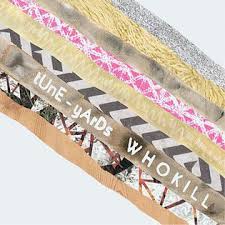
2011: TuneYards – Whokill
2012: Grimes – Visions
2013: AroarA – In the Pines*
2014: Owen Pallett – In Conflict
2015: Buffy Sainte-Marie – Power in the Blood
2016: Beyoncé – Lemonade
2017: Weaves – Wide Open
2018: U.S. Girls – In a Poem Unlimited
2019: Snotty Nose Rez Kids – Trapline

Here’s the last half of my top 20, absolutely essential records, all—at least to me, if no one else:

Alabama Shakes – Sound and Color (2015)
Eric Bachmann – s/t (2016)
Bonjay – Lush Life (2018)
Jeremy Dutcher – Wolastoqiyik Lintuwakonawa (2018)
Veda Hille – Love Waves (2016)
Kaytranada – 99.9% (2016)
Man Man – On Oni Pond (2013)
Mbongwana Star – From Kinshasa (2015)
Robyn – Body Talk (2010)
Gillian Welch – The Harrow and the Harvest (2011)


--

Stop here if you’re already bored. But of the other 80 records on this list, here are 30 underdogs records that got little or no press, by artists unlikely to fill a venue in English Canada larger than 500 capacity. Again, other than the top 20 listed above, these aren’t ranked; these are just highlighted in the hopes that you make some discoveries here. Broken down by Canada vs. the world:

Canada:
Geoff Berner – Canadiana Grotesquica (2017)
Cadence Weapon – s/t (2018)
Kathryn Calder – Bright and Vivid (2011)
Le Couleur – P.O.P. (2016)
Mark Davis – Eliminate the Toxins (2011)
Dennis Ellsworth – Things Change (2018)
Jim Guthrie – Takes Time (2013)
Hilotrons – At Least There’s Commotion (2013)
Zaki Ibrahim – Every Opposite (2012)
La Force – s/t (2018)
Jean Leloup – À Paradis City (2015)
Michelle McAdorey – Into Her Future (2015)
Scott Merritt – Of (2015)*
Nick Buzz – A Quiet Evening at Home (2013)
Doug Paisley – Constant Companion (2010)*

International:
Africa Express Presents Maison des Jeunes – Various Artists (2014)
Christian Scott aTunde Adjuah – Ancestral Recall (2019)
Gaye Su Akyol – Istikrarli Hayal Hakikattir (2018)
Altin Gun – On (2018)
Anna Calvi – Hunter (2018)
Brandy Clark – 12 Stories (2013)
Nels Cline – Lovers (2016)
EMA – The Future’s Void (2014)
Bill Fay – Life is People (2012)
Kikagaku Moyo – Masana Temples (2018)
Nakhane – You Will Not Die (2019)
Sons of Kemet – Your Queen is a Reptile (2018)
Moses Sumney – Aromanticism (2017)
The Thermals – Personal Life (2010)
Shye Ben Tzur, Jonny Greenwood and Rajasthan Express – Junun (2015)

--

Looking for more familiar faces? Here’s the remaining 50, featuring somewhat more well-known subjects (though not necessarily, especially if you’re not Canadian):
Arca – s/t (2017)
Arcade Fire – Everything Now (2017)
BadBadNotGood – IV (2016)
Beach House – Teen Dream (2010)
Belle and Sebastian – Write About Love (2010)
Mary J. Blige – The London Sessions (2014)
David Bowie – Blackstar (2016)
Broken Social Scene – Forgiveness Rock Record (2010)
Basia Bulat – Tall Tall Shadow (2013)
Caribou – Swim (2010)
Rosanne Cash – The River and the Thread (2013)
Jennifer Castle – Pink City (2014)
Cat Power – Sun (2012)
Neneh Cherry – Broken Politics (2018)
Leonard Cohen – You Want It Darker (2016)
Destroyer – Poison Season (2015)
Beth Ditto – Fake Sugar (2017)
Gord Downie and the Country of Miracles – The Grand Bounce (2010)
Feist – Metals (2011)
Fucked Up – Dose Your Dreams (2018)
Lady Gaga – Joanne (2016)
Kendrick Lamar – To Pimp a Butterfly (2015)
Lee Harvey Osmond – The Folk Sinner (2013)
Low – Double Negative (2018)
Corb Lund – Cabin Fever (2012)
Janelle Monae – Dirty Computer (2018)
AC Newman – Shut Down the Streets (2012)
Joanna Newsom – Have One on Me (2010)*
Orville Peck – Pony (2019)
Perfume Genius – Too Bright (2014)
Robert Plant – Band of Joy (2010)
Jessie Reyez – Kiddo EP (2017)
Rosalía – El Mal Querer (2018)
Santigold – Master of My Make-Believe (2012)
Sleater-Kinney – No Cities to Love (2015)
Solange – True EP (2012)
Spoon – Hot Thoughts (2017)
Mavis Staples – One True Vine (2013)
Vince Staples – Summertime 06 (2015)
Tanya Tagaq – Animism (2014)
Tracey Thorn – Love and Its Opposites (2010)
Timber Timbre – Sincerely, Future Pollution (2017)
Tinariwen – Elwan (2017)
The Tragically Hip – Man Machine Poem (2016)
Rokia Traoré – Beautiful Africa (2013)
A Tribe Called Quest – We Got It From Here… (2016)
A Tribe Called Red – Nation II Nation (2013)
Vampire Weekend – Modern Vampires of the City (2013)
The Weeknd – House of Balloons (2010)
The Xx – I See You (2017)

*Four titles are not available on streaming services

AroarA seems to have ceased their web presence since Ariel Engle launched La Force: you can’t stream or buy this anywhere. I’ve been told In the Pines is about to be reissued in the U.S. on a poetry label out of Portland, Oregon.

Scott Merritt’s music can be purchased here.

Joanna Newsom’s music can be purchased here.

Doug Paisley's music is on Spotify, but curiously his 2010 album Constant Companion is not. It is, however, on Bandcamp here

--

What’s that? You’re still here? Finally, in the highly unlikely event you’re not already satiated, here’s yet another 50 excellent records I think should also be thrown in the time capsule:
Alvvays – Antisocialites (2017)
Atoms for Peace – s/t (2013)
Courtney Barnett – Sometimes I Sit and Think… (2015)
Willis Earl Beal – Nobody Knows (2013)
Geoff Berner – Victory Party (2011)
Jim Bryson – Somewhere We Will Find Our Place (2016)
The Comet is Coming – Channel the Spirits (2016)
Darkside – Psychic (2013)
Dirty Projectors – Swing Lo Magellan (2012)
Gord Downie – Introduce Yerself (2017)
Dominique Fils-Aimé – Stay Tuned (2019)
Dr. John – Locked Down (2012)
Kevin Hearn – Days in Frames (2014)
Hidden Cameras – Home on Native Land (2016)
Japandroids – Celebration Rock (2012)
J Rocc – Some Cold Rock Stuff (2011)
Sharon Jones & the Dap Kings – Give Them What They Want (2014)
The Julie Ruin – s/t (2013)
Lydia Képinski – Premier juin (2018)
Angelique Kidjo – Remain in Light (2018)
Michael Kiwanuka – Love & Hate (2016)
Pierre Kwenders – Le dernier empereur bantou (2014)
Terra Lightfoot – New Mistakes (2017)
Hubert Lenoir – Darlène (2018)
Lykke Li – Wounded Rhymes (2011)
Lizzo – Coconut Oil EP (2016)
Lotic – Power (2018)
Brad Mehldau – Finding Gabriel (2019)
Miguel – Kaleidoscope Dream (2012)
Tami Neilson – Don’t Be Afraid (2015)
Tunde Olaniran – Transgressor (2015)
Operators – Blue Wave (2016)
Anderson.Paak – Malibu (2016)
Pusha T – My Name Is My Name (2013)
Kim Richey – Edgeland (2018)
Rocket Juice & the Moon – s/t (2012)
The Roots – And Then You Shoot Your Cousin (2014)
Sagot – Valse 333 (2014)
Sampha – Process (2017)
Paul Simon – Stranger to Stranger (2016)
Snowblink – Inner Classics (2012)
Kae Sun – Afriye (2013)
Tobi – Still (2019)
Maylee Todd – Acts of Love (2017)
Two Hours Traffic – Foolish Blood (2013)
Tom Waits – Bad As Me (2011)
Jack White – Lazaretto (2014)
Whitehorse – Panther in the Dollhouse (2017)
Wolf Parade – Cry Cry Cry (2017)
Wye Oak – Civilian (2011)

Apparently I thought 2018 and 2013 were amazing years for music. Breakdown by year:
2018: 21
2013: 20
2016: 19
2017: 18
2014: 14
2015: 14
2012: 14
2010: 13
2011: 10
2019: 7 (I’m less likely to trust my recent infatuations)