Showing posts with label Polaris 2020. Show all posts

Wednesday, October 14, 2020

2020 Polaris Music Prize shortlist, day 2: Jessie Reyez, Pantayo


My annual five-part look at the shortlist examines two records a day, plus two personal picks from the qualifying period, and this year
—as the prize gets older and still skews young—I’m including one veteran artist each day whose latest work risks getting lost in the shuffle.


This year we’re going in reverse alphabetical order, because, hey, everything else about 2020 is upside down.


The winner this year will be announced on Monday, October 19 in a televised ceremony featuring 10 commissioned short films, airing on CBC Gem, YouTube and social media.


Day 1, looking at Witch Prophet and U.S. Girls, is here.


Day 2:


Jessie Reyez – Before Love Came to Kill Us (FMLY / Universal)

The album: The only superstar on this list, Reyez has also been a critical favourite since her debut EP, for obvious reasons: her singing voice, her rap flow, and her charismatic audacity. This is her first full-length, and it comes with enormous expectations.

Nobody cares what I think of Jessie Reyez, and nor should they. For what it’s worth, I thought the Kiddo EP was one hell of an introduction, and she hasn’t topped it yet. Her breakout hit was “Figures,” which reappears here for no apparent reason, and most of the better songs here adhere to the same formula: ballads, often waltzes, in which Reyez has a tendency to over-emote and pull off the biggest aural pouts since Corey Hart. The title track works; “Worth Saving” is, uh, not. When she goes back to club tracks like “Dope,” they sound forced (exception: “Roof”). 

“Coffin” is an album highlight, a 6/8 bluesy ballad with one of Reyes’s finest vocal performances, until Eminem shows up to take a massive misogynist shit all over it. What the fuck is he doing here? She doesn’t need that prick. Her own machismo can be downright embarrassing: “If I blow your brains out, I could kiss it better.” Really? Some of the left turns work best of all, like “Intruders” and “I Do.” But what’s up with the atrocious autotune on “La Memoria”? It’s not like Reyez isn’t an amazing singer (see: “Love in the Dark”).

I’d love to love Before Love Came To Kill Us, but it’s all over the place, and not in a good way. I realize how patronizing and perhaps sexist it is to say about a successful artist like Reyez that she has yet to come into her own, but I’m still waiting for her to deliver a great album. Her debut full-length is not it. 


The chances: Fair. On an entirely personal note, this album came out the week of the lockdown, and it was absolutely not the kind of music I wanted to hear at that point in time. The very first lyric is, “I should have fucked your friends”—wait, is that even possible anymore? But both this and the new album by noted misanthrope the Weeknd (released a week earlier) obviously had no problem finding their audience in the coming apocalypse. But I’ll admit that if I was in the jury room, I’d have a hard time giving this album a fair shake in 2020. It sounds like an odd time capsule from the Before Times.


Pantayo – s/t (Telephone Explosion)

The album: All critics—okay, the best ones—are suckers for something they haven’t heard before. We’re curious people (ideally). And it’s safe to say that few people, if anyone, in North America has heard a band like this, which combines traditional Filipino percussion with modern R&B and pop. Producer Alaska B (Yamantaka//Sonic Titan) ensures everything sounds rich, thick and totally pro: deep grooves over which the Moondog-ish metallophones and other kulintang percussion sparkle with life. If this were just a novel and evocative instrumental record, it would already succeed, but these women are also great singers: check out the sultry soul ballad “Desire,” which absolutely could and should be a pop hit. The brooding pulse of “V V V” is a 2020 anthem (“They lie / they will never tell the truth”). “Heto Na” and “Taranta” have some serious ESG vibes, while obviously sounding nothing like them. 

If the Polaris was awarded on originality alone, this would be a shoo-in. My only criticism is that there’s a bit of debut-itis; as good as this is, I’m pretty sure it’s only the beginning. But even if this is all we ever hear from Pantayo (and I have no reason to suspect this), it’s more than enough. I’m so happy this band exists, that this debut record got made the way it did, and that we’re talking about it on the Polaris shortlist.

Bandcamp link here. 

The chances: Good. It’s certainly as strong as the best albums on this list, and the underdog story might help them in the subconscious minds of jury members. Do not be remotely shocked if Pantayo wins this, putting them in a fine Polaris tradition of left-field winners.


The could’ve, should’ve beens:


Little Scream – Speed Queen (Dine Alone / Merge)

The album: Writing political pop music is one of the hardest tasks as a songwriter. It’s incredibly easy to fall flat on your face, deep in name-calling and juvenile call-outs. It’s also incredibly easy to be so incredibly vague as to be completely irrelevant. Little Scream’s Laurel Sprengelmeyer avoids all those pitfalls here. First of all, she clearly puts the music first: all these songs are sparkling pop constructions, with exemplary players; there’s a lot of Fleetwood Mac and Prince lurking between the layers. At least half this record sounds like a greatest-hits collection by a ’70s legend. What elevates Little Scream is her lyrical approach: on tracks like “Disco Ball” and “Privileged Child,” her characters “bear the dead weight of a dream,” living in late-stage capitalism, longing for a basic luxury like their own washing machine (the title track), dealing with post-decadence regret (“No More Saturday Nights”) now that the stakes are higher than they’ve ever been (“Dear Leader”). Sprengelmeyer writes vivid portraits with a universal ring, and the fact that she does so on top of such lush and glorious songs makes it all that much better.


Why it didn’t even make the long list: From what I can tell, this record got reviewed in Exclaim, had an article in the Montreal Gazette
—and that’s about it. Radio silence. Why?! Musically, it’s not that far removed from U.S. Girls, and it’s just as intriguing lyrically, so it’s not like she’s out of step and out of time. Little Scream has been around a while; her 2011 debut made the long list, though she only surfaces every few years. As much as I love this record, I will admit that it was a bit of a grower. But once it clicked, I started playing it every day for a month. These hooks are deep. Nobody heard this record. Did you hear this record? Go listen to this fucking record. 


Lil Andy – All the Love Songs Lied to Us (independent)

The album: “All the love songs lied to us, except the one you’re hearing now.” I’m not in a mood to trust anyone these days, so I appreciate Lil Andy’s chutzpah and his honesty. I also appreciate what a phenomenal collection of songs he’s written, and I appreciate the ace players he gathered to play them, and I appreciate that he’s given me a reason to love a straight-up country record again, which is not something I’ve done in a long, long time (though the new Brandi Clark is pretty good, and I have to admit I haven’t spent a lot of time with the new Corb Lund). I’ve written before that Lil Andy sounds like what would’ve happened had Leonard Cohen stuck with the Buckskin Boys in his early Montreal days. Having followed Andy’s work for many, many years, I can confidently state this is the best thing he’s ever done.

Why it didn’t even longlist: It’s a country record from Montreal. Enough said. Do jurors hang out at the Wheel Club? I'm guessing no. Not a lot of roots-y music on the long list, outside of Andy Shauf, Joel Plaskett and William Prince. But: seriously? Jurors think longlister and fellow folkie Montrealer Leif Vollebekk is a better songwriter than Lil Andy? I bought a vinyl copy of this after accosting Andy in the Montreal metro system last winter. But you can just go listen to it here.


Veteran MIA:


New Pornographers – In the Morse Code of Brake Lights (Collected Works)

It's so easy to take this band for granted, 20 years in. I'll admit that I did that when this album came out in August 2019; I know the formula, I know what to expect. But it's a grower. Just as Carl Newman and company did on 2014's surprise shortlister Brill Bruisers, this record stands out as one of the best that anyone on here, including Neko Case, has ever been a part of. (FWIW, there's no Dan Bejar on here, though he co-wrote the single "Falling Down the Steps of Your Smile.") 

It marks the official debut of touring violinist Simi Stone, who adds welcome orchestration; there are also appearances by Vancouver string quartet Strength of Materials (who made a full-length collab with Ford Pier), who bring glorious colour. The keyboards and synths, handled entirely by Newman and Kathryn Calder, are rich and lovely, not unlike those heard on Newman's highly underrated 2012 solo album Shut Down the Streets. One of the biggest challenges this band has always faced has been balancing moods and textures, if only because they do big, dense, pop-rock songs so well. Here, tracks like the sparse "You Won't Need Those Where You're Going," "Opening Ceremony" or the slow, choral build of the bitter "Higher Beams," are album highlights that don't for a second distract from the sugar highs. 

This marks the first time the New Pornographers have failed to at least make a Polaris long list, which is a) good for Polaris, to make way for new blood, but b) underrates these vets at a time when they sound as good or better than they ever have. I'm sad I didn't get to see this record performed live. 


Tomorrow: Nehiyawak, Lido Pimienta

Tuesday, October 13, 2020

2020 Polaris Music Prize shortlist Day 1: Witch Prophet, U.S. Girls

In its early days, Polaris was often slagged as an indie rock prize, which is not entirely unfair. More accurately, it often featured records that were unknown to mainstream listeners and unheralded by gatekeepers. Sure, it’s been won by the likes of Arcade Fire, Feist and Buffy Sainte-Marie, but most shortlisters still draw blank stares from lay people. This year in particular is a real head-scratcher for the uninitiated, with only pop star Jessie Reyez considered a “name,” despite the presence of three previous winners (Caribou, Kaytranada, Lido Pimienta). It’s also a head-scratcher, as it usually is, for people who wonder if all Canadian music comes only from Montreal and Toronto. 

It’s also a head-scratcher for me, as a long-time juror, as none of the five albums on my initial ballot even made the long list—a first for me. Of the long list, I thought there were a lot of good records on there, some promising debuts, and only a few stinkers; I certainly didn’t have trouble filling my second ballot. But I don’t love anything on this year’s shortlist; the records I like the most are either by artists whose earlier records I prefer, or by very promising new artists I think have yet to make a masterpiece. There are only two records I actively dislike, and one I just find disappointing. I don’t really feel I have a horse in this race. So all bets are off.

My annual five-part look at the shortlist examines two records a day, plus two personal picks from the qualifying period, and this year--as the prize gets older and still skews young—I’m including one veteran artist each day whose latest work risks getting lost in the shuffle.

This year we’re going in reverse alphabetical order, because, hey, everything else about 2020 is upside down.

The winner this year will be announced on Monday, October 19 in a televised ceremony featuring 10 commissioned short films, airing on CBC Gem, YouTube and social media.


Day 1

Witch Prophet – DNA Activation (Heart Lake)


The album: “Bow down to queen,” demands Ayo Leilani on her second album as Witch Prophet. As we should: DNA Activation is a completely captivating, entrancing journey through trippy soul with an Eritrean Erykah Badu bent. Jazzy vibes, deep grooves and synesthesiac textures abound, creating a sonic splendour in which it’s easy to get lost. Leilani’s vocals aren’t a focus as much as they are a centring guide, a soothing presence asking, “Where do we go from here, when the whole world is falling?” Karen Ng’s saxophone plays a key role on three of the 10 tracks, indebted to Ethio jazz. “Makda” comes off like a trippier Dan the Automator. Everything about DNA Activation is a huge step up from her promising debut; its only real drawback is that it’s incredibly brief: 10 songs in 24 minutes. As an album prize, Polaris allowed EPs to be eligible in recent years, which makes a lot of sense given the way a lot of music is released these days. Still, though DNA Activation is nothing if not consistent in both mood and quality, I’d love to hear something longer and more diverse from Witch Prophet. In the meantime, I’m just excited she made the shortlist. This was on my ballot.


The chances: Depends on how much psylocibin is consumed during the process of jury deliberation. But I’d say fair to good.

Bandcamp here.


U.S. Girls – Heavy Light (Royal Mountain / 4AD)

The album: This was recorded by humans in a room together at the same time. Crazy, right? Meg Remy and her circle are politically progressive but have decidedly old-school beliefs when it comes to musical chops: you should be able to play, you should be able to play well with other people, and no amount of multitracking can substitute for the sound of amazing singers surrounding a microphone in real time. As a grumpy old man entering his “jazz years” when I first heard Heavy Light, this concept was very appealing to me. As a lonely man in the middle of a pandemic, this appealed even more, for obvious reasons.

Curmudgeonly philosophy aside, this record succeeds for several reasons, on several levels. It aims to be a What’s Going On of this generation: lyrics that address personal and systemic pain, enveloped in melodies, grooves and arrangements that seek to soothe rather than confront. “You gotta have boots, if you wanna lift those bootstraps,” goes the opening track, addressing historic economic inequality in the guise of a sweet soul song. “Overtime” is a first-person song about a widow discovering that her overworked husband drank their savings away. “Born to Lose” could be a Sarah Kendzior or Barbara Ehrenreich book about American decline in a torch-y song with a choral chorus, set to ’50s lounge exotica. A Latin excursion on “And Yet It Moves / Y Se Mueve” works surprisingly well—or, not so surprising at all, considering the calibre of musicians involved. The entire record is lush and expansive, and yet always in subtle ways; this is not a record that wants to show off, it wants to draw you in.

Remy has a lot of top-shelf help here: Basia Bulat, Arcade Fire’s Tim Kingsbury, partner Slim Twig, the band Ice Cream, future superstar James Baley, the E Street Band’s Jake Clemons, the underrated Geordie Gordon and Michael Rault, engineer Howard Bilerman, and vocal arranger Kitty Uranowski. It’d be hard to make a bad record with those people in the room. But with Remy at the helm, the result is an instant classic.


The chances: Good. This is my personal favourite on the shortlist, even though I enjoy it slightly less than 2018’s In a Poem Unlimited, which was my hands-down pick that year (though I also love Jeremy Dutcher, to whom they lost, so I’m not complaining)—in fact, that is one of my favourite records of the last 10 years. Meg Remy is in her prime; hopefully the first wave of many in a long career, but there’s no denying the winning streak she’s on right now. In the past I would have said that her inclusivity—drawing many other talented artists into her sphere and letting them shine—would help her chances at Polaris, but I’ve been proven wrong on that in the past (A Tribe Called Red). I’m also skeptical that a musically conventional pop record based on ’70s rock has a winning chance in 2020, but who knows? It worked for Buffy Sainte-Marie (one of only four times in Polaris history my personal favourite was the winner). Whether she wins or not, Remy has now had her last three albums shortlisted, and delivered two of the most memorable performances in Polaris history, no small feats on their own.


The could’ve, should’ve beens:

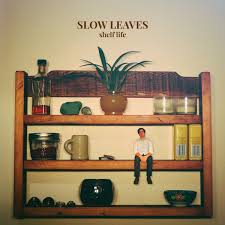
Slow Leaves - Shelf Life (Birthday Cake)

The album: I’m a middle-aged white dad who doesn’t listen to a lot of middle-aged white dad music (or so my crippling sense of self-importance has led me to believe). So if you’re going to play acoustic guitar in a roots-rock or folkie vein, something’s gotta jump out of the mix. In the case of Winnipeg’s Grant Davidson, a.k.a. Slow Leaves, it starts with his voice: a gorgeous quiver that sounds like it’s from a long-lost ’60s folk classic. Then there’s his guitar playing, with a lot more delicate finger-picking than your usual strummer. Finally, the songs are all solid as a rock: a bit Jim Cuddy, a lot of early M. Ward, a little L.Cohen (musically) and a whole lotta Lightfoot.


Why it didn’t even longlist: The obvious answer would be “Winnipeg” (which is what people from Winnipeg will be quick to tell you). But this year Winnipeg actually did pretty well, with Begonia, William Prince and Super Duty Tough Work all making the longlist. The other answer would be: middle-aged, sensitive guy you’ve never heard of before, singing rootsy music that sounds like Gordon Lightfoot—that doesn’t fly at a lot of story meetings. Just ask Doug Paisley. 

Bandcamp here. 


Obuxum – Re-Birth (Urbnet)

The album: Psychedelic beat science from Somali-Canadian producer Muxubo Mohamed, who doesn’t fit any easy profile: there are elements of hip-hop, techno, jazz, soul, Madlib fuckery and Flying Lotus-level interstellar travel, but this sounds like a unique voice at the beginning of her journey. I’m also curious to hear more from featured vocalist Yourhomienaomii, who’s sadly only featured on one track (“Don’t Blame Them”).

Why it didn’t shortlist: Frankly, I’m amazed that it made the long list, considering its low profile. But more power to her. I’m just glad she’s no longer a stranger to the larger world of Canadian music, and that getting on the long list opens a lot of doors.

Her Bandcamp is here.


Veterans MIA in 2020:

Owen Pallett – Island (Secret City / Domino). 

This album had a surprise drop a few days before the ballot deadline, so it’s a small miracle that it squeaked on to the long list. But Pallett, who won the first-ever Polaris in 2006 under the name Final Fantasy and has been shortlisted twice more, is the type of artist who can be out of the public eye for six years and still command attention, and I would not have been surprised if he vaulted onto the shortlist. Island is much more focused on acoustic guitar than anything he’s done since his first band, Les Mouches (who reunited this year, pre-pandemic, for a one-off show). It’s an album of quiet intimacy; the orchestrations rarely take centre stage, and when they do they are often glacial and majestic, evolving drones that open up the sonic space. It’s a meditative record of pain and redemption, of self-loathing and forgiveness: “You don’t need to die to be forgiven.” Pallett’s previous records usually had a couple of pop songs; this does not. It’s a record easily lost to short attention spans and shortlists. It’s Owen Pallett, a man always worth your time.

Bandcamp here.

Tell me this isn't the greatest pandemic video made in the first three months of lockdown:


Tomorrow: Jessie Reyez, Pantayo and more

Wednesday, June 03, 2020

My personal Polaris 2020 long list part 4

Day four!
Recap: I cast my ballot for the Polaris Prize this week. Jurors only get five slots. Almost 200 albums were suggested by fellow jury members. A long list of 40 will be published next week. As always, there’s no shortage of excellent Canadian music. But this year there’s no one album—or even three—that I feel so obviously tower above the rest. Which makes the winnowing even more difficult.


I’m not going to tell you what’s on my ballot, but these are the 40 records I considered (10 in each post). Most of these have been discussed by the Polaris jury at some point, but this is a very personal list that no one should read into deeply. Many of these will likely not make the long list, and many not mentioned here most definitely will.


Final caveat: I’m a 48yo anglo white dad who lives in Toronto with all the obvious blind spots that entails, so prepare yourself with as many grains of salt you feel are required.

Part 4/4: 

Owen Pallett – Island: This long-delayed album came out two weeks before the Polaris deadline, and yet I wouldn’t at all be surprised to see it become one of the most-discussed albums this year. And not just because the first single (with its excellent accompanying video) contains this lyric: "Do not be scared / Surely some disaster will descend and equalize us / a crisis / Will unify the godless and the fearless and the righteous.” Though as lushly orchestrated as much of his work, these songs are centred around acoustic guitar, marking a new(ish) direction for Pallett: very little evidence of his violin-virtuoso past, few of the electronics that shaped 2014’s In Conflict, the orchestration never draws attention to itself, the music rich with subtleties and no concessions at all to pop audiences (usually Pallett would throw a bone or two). This sounds like Pallett’s most musically personal album; it also features the loveliest vocals he’s ever put to tape. For day-one fans, it’s as much a mature, one-man version of Les Mouches as it is a Final Fantasy record. Bandcamp link here.

Pantayo – s/t: Now here’s something you haven’t heard before: a group of Filipinas integrating traditional percussion (kulintang) with R&B and pop that lies somewhere between ESG, Massive Attack and Solange. Yes, the novelty is part of the appeal, and that will help this land on the long list and go possibly much further this Polaris season. But, like Tagaq or Jeremy Dutcher’s work, this is far from mere novelty: it’s an incredibly strong record: the grooves, the vocals, the songs, the sonic textures, the production by Alaska B (Yamantaka // Sonic Titan). Pantayo didn’t start out like this; when I saw them perform at a Long Winter event several years ago, it was definitely more on the traditional side. Now, “V V V (They Lie)” and “Desire” are total radio summer jams, uptempo and down, respectively. There’s even, it seems, some ’80s new wave in the mix here, but that could just the Scarborough boy in me being brought back to a time when I would have first heard traditional Filipino music at high school talent shows 30 years ago and now I’m weirdly conflating a bunch of my own memories in what is apparently a record review. Anyway, this is going to be the record that will make the list and have industry veterans wondering, “Where the hell did this come from?” Bandcamp link here.

Lido Pimienta – Miss Colombia: Is it okay to say now that I didn’t like Pimienta’s 2017 Polaris winner La Papessa? That was a milestone win for many reasons (first allophone winner, entirely indie release), but I still heard a nascent artist who had yet to fully bloom. The conversation around the win—and the way Pimienta dealt with an onslaught of hateful criticism—was more worthy than the album itself, in this random white guy’s opinion, FWIW (not much). The Toronto artist took a lot of time and care following it up, and now we can talk about the music again. Everything has stepped up, starting with Pimienta’s own vocals: they’re stronger, express more dynamics and inflection, and generally more emotionally resonant. That’s true of the electronics as well; she’s said part of her challenge here was to make the technology sound beautiful, and she succeeded. The brass arrangements throughout are also a nice touch. Prince Nifty, a.k.a. Owen Pallett collaborator Matt Smith, co-produces here (check out his lovely new solo release), and guests include Colombian palenque group Sexteto Tabala (the collab here will sound familiar to any fans of Caribbean-Colombian legend Toto La Momposina) and South American superstar Li Saumet of electro-cumbia-pop band Bomba Estereo. One could argue that Pimienta won the Polaris prematurely, but if she hadn’t, then this superior record would likely not be getting an international release; its ambition might not even have been possible. Bandcamp link here.

Slow Leaves – Shelf Life: It’s not like critics are stumbling over themselves in a hunt for the new Lightfoot in 2020. But hey, FWIW, Slow Leaves is likely the new Lightfoot, or at least the most worthy contender since Doug Paisley dropped the 2011 classic Constant Companion. Davidson sings with a gentle lilt and affecting tremolo, his breezy folk rock designed to be played on crackly vinyl or around a campfire. Davidson sounds like a middle-aged dad, which he is, and this is an ideal midlife rainy day record when accompanied by coffee and/or scotch. It’s not new or dark or sexy; it’s just life. Hard to make that sound exciting in a record review. But hey, if the likes of Leif Vollebekk can crack the shortlist, surely Slow Leaves can. Bandcamp link here.

Rae Spoon – Mental Health: This artist has had quite a rollercoaster two years: they continue to run the best truly indie label in Canada (Coax Records) and they released two of the best albums of their career (including this one). But shortly after cancelling a tour due to the pandemic the non-binary artist announced they were diagnosed with cancer before even turning 40. Rae Spoon’s music has always been about resilience, which means in 2020 an album like Mental Health strikes particularly potent chords. As a former folk country artist who now makes what could be called electro-tinged indie rock, Spoon is first and foremost a classic pop songwriter: their songs are full of earworms, no matter the arrangements underneath. Lyrically, this record taps into the anxiety age with precision, which makes it essential listening. Bandcamp link here.

Storry – CH III: The Come Up: The back story behind this record is fascinating, terrifying, tragic, and a whole other tale unto itself (read Nick Krewen’s profile here). But the short on Storry is that this debut album (don’t let the CH III title fool you) is about her past life as a sex worker after an opera career went astray. She turns her classically trained voice to gutsy and jazzy R&B with some ace players behind her. The slick veneer might be suited to upscale jazz clubs, but the narratives pull no punches. Even if there wasn’t a back-Storry here (sorry), the woman’s voice is enough of a draw on its own. Ain’t no AutoTune here, she belongs on a stage. Won’t even need a microphone.

US Girls – Heavy Light: It’s weird to think of Meg Remy as a Polaris veteran, but this is likely to be her third appearance on a shortlist and another likely winner—I thought she’d take it for 2018’s In a Poem Unlimited, my favourite record that year. Heavy Light picks up where that record left off, and, inspired by her 2018 Polaris performance, features a strong vocal presence from backing singers including arranger Kritty Uranowksi, James Baley (remember that name), and Basia Bulat. E Street saxophonist Jake Clemons also shows up, as do members of Arcade Fire and Ice Cream. The album was recorded largely live in Montreal by Howard Bilerman, and the electric energy is evident. Hard to go wrong with that many all-stars on board, and Remy rises to every challenge: she’s one of the most astute and fascinating lyricists working today, set to beautiful melodies steeped in the history of pop music. Part of this album’s success is due to Remy’s generous and collaborative spirit: she’s not precious about empowering her collaborators, working with co-writers (including Bulat), or even revisiting earlier material from her lo-fi solo days (“Overtime” and “Red Ford Radio” are highlights here). Everything about this exudes empathy and community, which is exactly what we need right now.  

Whoop-Szo – Warrior Down: I’m a lightweight when it comes to heavy music, which makes Whoop-Szo all the more surprising. This is stoner sludgy grunge that packs a wallop, even more so when Adam Sturgeon sings about his family’s experience in residential schools or a cousin being shot by cops in Saskatchewan (The chorus “Warrior down in a Saskatchewan town” says so much with six words, a Neil Young-esque simplicity all political songwriters should study). But this isn’t just a Sabbathian sonic anvil; this band started out as a considerably more experimental project, and there are more delicate moments here and prog diversions and deliciously dirty synth interludes and piano instrumentals. I don’t know who London, Ontario engineer Kyle Ashbourne is, but he’s heavy as fuck when he wants to be, with a Blurtonian touch that serves this material extremely well. Watch out for Whoop-Szo: at least one more record like this and they could turn into the most important rock band in Canada. Bandcamp link here.

Witch Prophet – DNA Activation: I certainly didn’t hear any other Canadian record like this in the last year: Habesha hip-hop beats with an Afrofuturist bent and jazzy saxophone (Karen Ng) throughout. Fans of Erykah Badu’s work with Georgia Anne Muldrow will find a lot to love here. This is hypnotic, healing music for humid days, during days when these lyrics strike deep: “Where do we go from here / When the whole world is falling / Through darkness / And we cannot see the light.” The woman known as Witch Prophet brings that light. Bandcamp link here.

Wolf Parade – Thin Mind: All great bands who feel like they’re hitting a wall should take a seven-year break. It did wonders for Wolf Parade. Both 2017’s Cry Cry Cry and now Thin Mind take everything that was ever intriguing about this group of musicians—as players and songwriters—and amplify all their strengths. Rare is the rock band that actually gets better with age, but this new chapter of Wolf Parade is the prime of their career, and Pacific Northwest star producer John Goodmanson captures it perfectly. Other than the obvious strengths of frontmen Dan Boeckner and Spencer Krug, the MVP here is drummer Arlen Thompson, who gives the material a real swing and swagger. Fuck nostalgia, forge the future. Bandcamp link here.


I’ll feel extremely lucky if even half of those 40 records make the longlist.

These next ones are not my bag, but here are 15 artists whose albums are likely to be longlisted, so give them a listen if you haven't already: 

Marie-Pierre Arthur
Backxwash
Daniel Caesar
Dvsn 
Grimes
Flore Laurentienne
Men I Trust
Nap Eyes
Nehiyawak
William Prince
Jessie Reyez
Andy Shauf
Super Duty Tough Work 
Wares
The Weeknd

The official long list will be announced on Monday June 15.
Jurors will then have a chance to submit their shortlist ballot; the shortlist will be announced July 15, and the winner on Sept. 21.

Happy listening! Buy the music you love! 
 

Tuesday, June 02, 2020

My personal Polaris longlist 2020 part 2


Day Two!

Recap: I cast my ballot for the Polaris Prize this week. Jurors only get five slots. Almost 200 albums were suggested by fellow jury members. A long list of 40 will be published next week. As always, there’s no shortage of excellent Canadian music. But this year there’s no one album—or even three—that I feel so obviously tower above the rest. Which makes the winnowing even more difficult.


I’m not going to tell you what’s on my ballot, but these are the 40 records I considered. Most of these have been discussed by the Polaris jury at some point, but this is a very personal list that no one should read into deeply. Many of these will likely not make the long list, and many not mentioned here most definitely will.


Final caveat: I’m a 48yo anglo white dad who lives in Toronto with all the obvious blind spots that entails, so take all this with as many grains of salt you feel are required.

Part 2/4:

The Dears – Lovers Rock: This band has been making anxiety-ridden apocalyptic prog-rock for 20 years now, so the fact they’re releasing their best record in years right now is sheer coincidence. Older, wiser, and with their grand ambitions tempered with humility and grace, the Dears easily conjure the fireworks of their finest hours—“The Worst in Us” is vintage Dears, and would be a highlight on any earlier record—while balancing the bombast with breezier fare like “Play Dead” and “Is This What You Really Want,” both of which wouldn’t have been out of place on singer Murray Lightburn’s excellent 2019 solo album. Bandcamp link here.

Frazey Ford – U Kin B the Sun: Words will always fail to describe Frazey Ford’s voice, probably because she fails to enunciate most of her words in the first place. Such is the magic and mystery that this soulful singer brings to everything she does, whether it was the folk revivalism of the Be Good Tanyas 20 years ago or the soul music she immerses herself in here. This is not exactly retro R&B, but it is a solid live band with a Hammond organ (or imitation) hovering over the bass-heavy grooves and gospel-tinged backing vocals. She’s a devoted D’Angelo fan, and her last record used the same band Cat Power did on The Greatest; Ford brings her own hippie B.C. vibe to the genre. She’s not in this game to win; she can take or leave the music business, as she’s proved over the years while moving at her own pace. The music she makes is for healing, for uplift, for the spirit. Which is all well and good and inspiring, but the songs she brings to the table this time, and the players she gathered to perform it, that elevate this far beyond mere good intentions. It’s the balm. Bandcamp link here.

Fountain – Laughing Through Traffic: Holy shit, this came out of nowhere (look ’em up, and you’ll find next to no press at all, so shout out to CJLO’s Francella Fiallos for tipping the jury to this). This is a Beefheartian Montreal band with incredible chemistry despite sounding like they’re being pulled in at least three different directions at once. There are elements here of everyone from Television to Old Time Relijun to recent Polaris faves Fet.Nat, with a singer possessed of the necessary sardonicism to sell the sizzle (“On an art deco gecko all I drink is prosecco / that’s not healthy!”). One of many contenders this year that I wish I could see live, though this recording has raw energy to burn. Bandcamp link here.

Dana Gavanski – Yesterday is Gone: No wonder this odd little record is so fascinating: it was born in Vancouver, Montreal, the Laurentians, Banff, Toronto, and Serbia. Gavanski packs a lot of work, discipline and experience into her debut album, which fits into a lineage that spans Nico to Aldous Harding (and FWIW I’m not a fan of the latter). It’s unassuming at first, with subtle arrangements and Gavanski’s deadpan voice somewhat off-putting. But the intimacy and delicacy of the instrumentation ultimately draw you in; every tiny production decision here is very particular and deliberate, creating a world you want to inhabit on a lazy afternoon. Fans of Jennifer Castle should be paying attention. Bandcamp link here.

Golden Seals – Something Isn’t Happening: Dave Merritt lives outside Ottawa and puts out new music of an old-fashioned vein about every six years or so, which means this record had zero push behind it other than Merritt’s always entertaining online presence. He’s the kind of 50-year-old guy with Beatles deep in his blood and a whole lotta Nick Lowe and Aimee Mann on his shelf, and has likely had a Mojo subscription for the last 20 years. All that pop scholarship pays off here, which not only has Sexsmithian melodies and jazz chords, but the production here is much more vivid than one would ever expect from a home recording—even the track he recorded as a phone memo sparkles. (Local Ontario heroes Andy Magoffin and Philip Shaw Bova shared mixing duties; both do great work, as always.) There’s tightly wound nuggets of pop perfection on tracks like “Independence Day,” “Idiot Kid” and “The Opposite End of the Country,” but he gets pleasantly unspooled on the closer “The Takeaway.” This is old fart music par excellence. Don’t hold that against him. Bandcamp link here. Zunior link here.

Jacques Greene – Dawn Chorus: I’ll admit that full-length techno records are not my bag, but Greene’s 2017 release Feel Infinite was intriguing, as was his work on Cadence Weapon’s excellent 2018 self-titled album. That rapper turns up to return a favour here, joining electronic artist Julianna Barwick, film composer Brian Reitzell, hip-hop producer Clams Casino, and underrated Toronto singer Rochelle Jordan. The result is a late-night cinematic journey with character and depth, recalling early 90s rave (yes, Moby) records in the best possible ways. Does that musical era sound retro now? I have no idea. But this record sounds great today, illuminating empty urban landscapes with memories of what once was. Bandcamp link here.

Sarah Harmer – Are You Gone: The master is back. It’s been 10 years since we last heard from her, and she’ll tell you this is her best record yet. Strong words: it’s hard to top the untouchable You Were Here or I’m a Mountain. But this comeback is full of timeless gems, not the least of which is “Just Get Here” and “St. Peter’s Bay.” And dammit, “New Low” is exactly the political pop song we needed in 2020; I only wish she turned up the guitars on that one in order to match the lyrical bite. Ah well, maybe Billy Talent will cover it. Bandcamp link here.

Kevin Hearn – Calm and Cents: He’s one of this country’s MVPs (Barenaked Ladies, Lou Reed, Gord Downie, Rheostatics) but Hearn’s solo records are criminally underappreciated (see: 2014’s Days in Frames). This one is largely instrumental and absolutely lovely. Featuring longtime bassist Chris Gartner, drummer Gavin Brown and violinist Hugh Marsh, this is a meditative and melodic record about environmental decay, in which Hearn’s delicate piano is balanced with ambient electronics, Vocoders, and very subtle reggae influences underneath the sci-fi surface.

Ice Cream – Fed Up: This record sounds like 1999. The year of Peaches and Le Tigre. The sound of Prince’s classic album 1999. But in 2020, Ice Cream are two Toronto women who deliver dual-lead electric guitar over electro beats and catchy pop songs (“Peanut Butter,” “Banana Split”). There’s plenty of darker material here, as well (the title track, “Dove’s Cry”). These women are killer singers and players—which is why they’ve been drawn into the U.S. Girls universe (Carlyn Bezic was playing in the current lineup; both she and fellow Ice Creamer Amanda Crist play with Meg Remy in the band Darlene Shrugg.) If Fifth Column were around today, they’d sound a lot like Ice Cream. Bandcamp link here.

Junia T – Studio Monk: This is a winner on so many levels. For starters, Junia T steps to the forefront after being Jessie Reyez’s tour DJ for the last few years to craft this masterful collection of grooves built from the bottom up with live musicians and engineer Slakah the Beatchild. It took him two years, a time during which the MC decided to put down the mic to focus on the music, and invite an array of mostly Toronto talent to shine in his stead. So not only is this a solid, jazzy hip-hop and R&B record with a rich vintage sound (and by vintage I mean not only 70s soul, but there’s a particular late 90s vibe here), it also functions as a mixtape with all-stars like Reyez, Sean Leon, and River Tiber, but relatively unknown singers Storry and Faiza, as well as highly underrated Toronto vet Adam Bomb. Sometimes this much talent on one record means a lot of compromise and mush, but every single artist here brings their A-game. (Well, maybe not Nate Husser.) If at least one hip-hop record makes the shortlist this year, this is going to be it. 

Monday, June 01, 2020

My personal Polaris longlist 2020 part 1


I cast my ballot for the Polaris Prize this week. Jurors only get five slots. Almost 200 albums were suggested by fellow jury members. A long list of 40 will be published next week. As always, there’s no shortage of excellent Canadian music. But this year there’s no one album—or even three—that I feel so obviously tower above the rest. Which makes the winnowing even more difficult.

I’m not going to tell you what’s on my ballot, but these are the 40 records I considered (10 in each post). Most of these have been discussed by the Polaris jury at some point, but this is a very personal list that no one should read into deeply. Many of these will likely not make the long list, and many not mentioned here most definitely will.

Final caveat: I’m a 48yo anglo white dad who lives in Toronto with all the obvious blind spots that entails, so take all this with as many grains of salt you feel are required.


Day One (of four):


Allie X – Cape God: This is a really smart, well-arranged pop record, in the realm of a more operatic Maggie Rogers. It pushes all the buttons for me that Carly Rae Jepsen should but never does. Allie X is a pop star without a radio audience of her own; she writes for BTS, Katy Perry’s a fan, and she’s been slogging it out for a while, to the point where she has more than a million streams (which is more than some Canadian acts who fill arenas). But this album is where Allie X’s classical training and craftsmanship really come to the fore. Ideally, she’d be a household name by now; in the days of Kate Bush, maybe she would have been.

Begonia – Fear: If you’ve ever seen this woman live, you know she’s a superstar. Her debut record catches most, though not all, the charisma she exudes on stage. Her voice is enormous, a powerful instrument that threatens to overshadow everything underneath it. But the production—by a team that includes her longtime collaborators in Royal Canoe—holds its own and provides some interesting twists to the modern pop/R&B universe. Bandcamp link here.

Geoff Berner – The Grand Hotel Cosmopolis: One of the greatest songwriters in Canada is a radical eco-socialist who plays accordion, sings increasingly in Yiddish, and gathers some of the finest modern klezmer players around him. So: not primarily Polaris bait, unfortunately. This timely record is largely about the plight of the displaced, though also features a scathing take on survivalists and a song that Berner had hoped to one day play at Bernie Sanders rallies: “Why Don’t We Take All the Billionaires’ Money Away?” If that’s not the song of the year, I don’t know what is. Bandcamp link here.

Bon Enfant – s/t: This is the single biggest surprise for me this Polaris season. This psych-pop band is the Quebecois equivalent of Japan’s Kikagayu Moyo or Holland’s Altin Gun, meaning they’re a peculiar regional blend of local influences with groove-heavy psychedelia. Their debut album sounds like Black Mountain joining Plants and Animals to cover the Hair soundtrack, with a McGarrigle singing en francais. This record came out in the fall of 2019, which is too bad because it is so obviously the sound of springtime and we should all be dancing in Parc Lafontaine to this. We’re not, for so many reasons, which makes this an escapist listening experience more than anything right now. I’m feeling nostalgic for joy these days, and this record helps a helluva lot. Bandcamp link here.

Boniface – s/t: Arcade Fire’s The Suburbs is 10 years old this year. Micah Visser was 13 when it came out, and one suspects it made a deep impression. Visser, who had a few years performing under his own name before rebranding himself after his Winnipeg neighbourhood and releasing the debut Boniface album on Valentine’s Day this year. He shares with Win Butler a bittersweet melancholy for a suburban youth with ’80s alternative anthems—though in Visser’s case, probably some Robyn, Killers, and Tegan and Sara in the next-gen mix. (Don’t doubt that the ’80s are present, however—check out the album cover and font). The production is big enough to vault him on to Euro festival stages, but it’s the songwriting that really shines here, and the moments (“I Will Not Return as a Tourist”) where he sounds like he’s writing a shiny pop version of “Born to Run” for a 2020 Pride celebration. Bandcamp link here.

Bruce Peninsula – No Earthly Sound: One of my greatest musical regrets of this time is that I won’t be able to witness this band and its vital chorus of voices live any time soon. This Toronto group has been away for most of the last decade; I didn’t expect them to return. They’re a record nerds’ dream, with grooves that borrow from Afrobeat and jazzy Chicago post-rock underneath what sound like modern choral field hollers. Neil Haverty and Misha Bower trade lead vocals, but it’s the chorus behind them—a choir that once included many of Toronto’s best singers, including Snowblink, Austra and the Weather Station—that really elevates the material. The rhythm section also kicks much ass. This is a much slicker production than heard on their first two records, which suits them surprisingly well, while the raw energy still shines through. Welcome back, beautiful people. Hope to see you on a stage again some day. Bandcamp link here.

Caribou – Suddenly: Dan Snaith continues to not only improve, but to remain unique in his field. I’m hard pressed to think of another electronic artist with this breadth of material in one album, from beat-less ballads to R&B pop songs to psychedelic jazz loops to early 90s house. Less rigid than his last record, this is Snaith’s most soulful and encompassing records of his long career. Suddenly is like his own greatest hits collection. He’s one of five previous winners (Lido Pimienta, Kaytranada, Patrick Watson, Owen Pallett) with new records in this year’s eligibility period; I would not be surprised if he became the first repeat winner in Polaris history. Bandcamp link here.

Leonard Cohen – Thanks for the Dance: “Who’s moving on? Who’s kidding who?” Posthumous records deserve the bad rep they have, but this is a phenomenal exception. Son Adam Cohen proved his production mettle on You Want It Darker, and here he fleshes out his father’s final recordings, which the artist had every intention of finishing before his passing. Adam invites more guests (Daniel Lanois, Feist, Patrick Watson) and fewer chintzy synths than Cohen Sr. would ever allow. None of it sounds like something the artist wouldn’t ultimately have approved; it doesn’t tread on his well-worn template. It’s hard to top You Want It Darker, and this doesn’t—but this unexpected encore is a career coda that’s not only fitting, but entirely satisfying.

Jean-Louis Cormier – Quand la nuit tombe: Cormier won a Polaris 10 years ago with his band Karkwa, which was greeted by a collective “meh” from English Canada. But he’s making much, much more interesting music now. Recorded in L.A., Berlin and Ethiopia, Cormier ditches his guitar for keys and synths, creating a fascinating melange that draws from ’60s film soundtracks, post-Radiohead rock, Gorillaz-style global pop and more, with an unusually good drummer at the core. There are lots of twists and turns on this record, and most of them work wonderfully (the brief rap interlude, not so much). Between this and Julien Sagot’s wonderfully weird records, Karkwa’s solo projects sound better to me than the original band. Bandcamp link here.

Corridor – Junior. The third album by the first franco Quebecois band signed to Sub Pop, Junior is a rollicking, rockin’ good time of a post-punk new wave record that pulls from the Jam, early R.E.M., the fuzzier side of Sloan, and the hazier side of the Stone Roses. The rhythm section is consistently propulsive, the boy harmonies are exquisite, and the guitars pop, ring and jangle and all those other ridiculous adjectives that I no longer know how to use and probably never did. Have Corridor toured with Alvvays yet? That would be dreamy. This is yet another franco record that the anglo indie kids should be snapping up. Bandcamp link here.